
Garage Makeover Checklist: Clear It Out, Then Coat the Floor
By Renu Poly
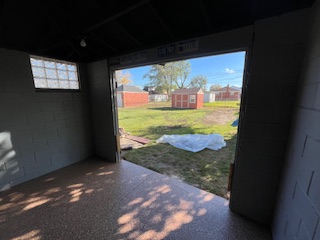
A garage makeover starts with a decision about what belongs there—not a shopping trip for more storage bins. When you clear the floor, you can see how much space you actually have, spot concrete problems, and plan a layout that makes parking and everyday projects easier. Work through this checklist in order: clear it out, prepare the space, then decide whether a professionally installed floor coating fits your plans.
1. Choose what your garage needs to do
Before moving anything, name your priorities. Do you need room for two vehicles, a workbench, bikes, or seasonal storage? Measure the space, including door swings and the walking route from the car to the house. Mark areas that must stay clear. This gives you a useful test for every item: does it support the garage you want, or is it simply occupying space?
Pick manageable sorting sessions rather than pulling everything onto the driveway at once. Have boxes, labels, gloves, and a broom ready. Arrange help for heavy pieces, and choose a dry day if belongings will temporarily sit outside.
2. Sort into keep, sell, donate, and toss
Handle one shelf or corner at a time. Keep items you use and can give a specific storage location. Sell working tools, usable furniture, and other belongings someone else might want. Donate clean, serviceable items after checking what the organization accepts. Toss broken or unusable things that cannot reasonably be repaired or recycled.
Keep an undecided pile small and give it a deadline. Otherwise, it becomes the same clutter in a different box. Set aside batteries, leftover chemicals, automotive fluids, and paint for appropriate disposal. Check your local household hazardous waste guidance; do not pour liquids down drains or put questionable materials in ordinary trash.
3. Hold a garage sale with an exit plan
A garage sale can move several sellable items at once, especially when you group related goods and price them clearly. Clean items, test anything electrical, and describe defects honestly. Put small pieces in labeled bags. Decide beforehand whether your goal is the best possible price or getting the garage empty.
Choose your date, check local sale and sign rules, and take clear photos of the main items. To help nearby shoppers find the sale, you can list your garage sale free with the date, location, and a straightforward description of what is available.
Schedule a donation drop-off or pickup for after the sale. Decide what you will do with leftovers before the first shopper arrives, so unsold items do not drift back onto the shelves you just cleared.
4. Empty the floor and prepare the space
Once the outgoing items are gone, arrange temporary storage for everything you are keeping. Use a dry, secure location and protect belongings from weather. Ask the coating installer which shelving, appliances, and freestanding cabinets need to move. Do not assume a heavy object can stay just because it sits against a wall.
Sweep up loose debris and make a note of cracks, pitting, oil stains, or areas that appear damp. Share those observations during the estimate. Avoid applying a sealer, DIY patch, or new paint before discussing the floor with the installer; those materials can affect the preparation needed for a coating.
- Leave a clear route for the crew and equipment.
- Confirm access, power needs, and where vehicles will park.
- Resolve leaks or drainage concerns before covering the concrete.
- Ask when people, stored items, and vehicles can return.
5. Consider a polyurea/polyaspartic floor
An empty garage is a convenient time to improve the floor because you have already done the hardest part of clearing access. A polyurea/polyaspartic coating system can give concrete a more finished appearance and a surface that is easier to sweep and wipe down than rough, dusty bare concrete.
These systems are used for their durability and resistance to many everyday garage spills and wear. A UV-stable polyaspartic finish can also help preserve the appearance where sunlight reaches the garage. Performance depends on the specific products, concrete condition, and installation—not just the coating name.
Proper preparation matters. Renu Poly uses diamond grinding and repairs damaged areas before applying its floor coating system. Ask about moisture evaluation, texture, maintenance, and warranty terms for your project. No finish makes a wet floor automatically slip-proof, so discuss traction needs and keep spills cleaned up.
6. Put back less, and give it a home
Follow the installer’s return-to-use instructions before moving shelving or parking on the new surface. Then rebuild your storage around the priorities you set at the beginning. Keep frequently used tools accessible, label seasonal containers, and leave the walking path open. Add suitable protection under heavy storage where recommended, and avoid dragging sharp or loaded objects across the finish.
If you are planning a garage refresh in Macomb or Oakland County, Renu Poly can help you evaluate the concrete and choose a finish. When you are ready, request a free floor coating quote—a simple next step after the clear-out, without committing to an installation.
Frequently asked questions
Should I hold a garage sale before scheduling floor coating?
If you have useful items to sell, holding the sale first can simplify the clear-out. Arrange donation and disposal afterward so unsold items do not delay the installation.
Do I need to repair the concrete myself?
Ask your installer before applying fillers, paint or sealers. Renu Poly prepares concrete by diamond grinding and addresses cracks and damaged areas before coating; the right approach depends on the condition of your floor.
When can I move everything back into the garage?
Follow the installer’s instructions for your specific coating system and conditions. Foot traffic, shelving and vehicle use may have different return times, so confirm each before putting the garage back together.